
Global logistics is the backbone of international trade. Every product that moves across borders—from raw materials to finished goods—relies on a complex network of transportation, warehousing, customs processes, and delivery systems working together. For transportation companies, global logistics is where efficiency, reliability, and coordination define success.
As global trade continues to expand, logistics has become more than just moving goods from one place to another. It is now about managing entire supply networks across continents with speed, precision, and transparency.
The Growing Importance of Global Logistics
In today’s interconnected world, businesses depend on international suppliers and customers more than ever. This has increased the demand for reliable global logistics systems that can handle long-distance shipping, customs regulations, and multi-modal transport.
Companies that operate globally need logistics partners who can ensure:
- Smooth cross-border movement of goods
- Timely deliveries across different regions
- Proper documentation and compliance
- Cost-effective transportation solutions
Without strong logistics support, global trade would slow down significantly.
Multi-Modal Transportation: Connecting the World
Global logistics depends on multiple modes of transport working together—road, sea, air, and rail. Each mode plays a specific role depending on distance, cost, and urgency.
- Sea freight handles large volumes at lower cost
- Air freight provides fast delivery for urgent goods
- Road transport ensures last-mile and regional distribution
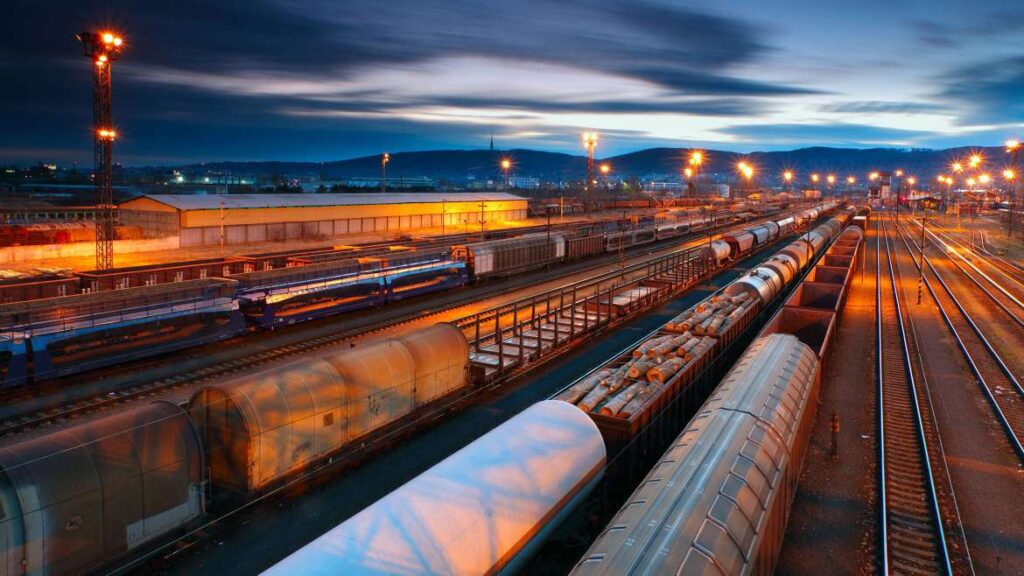
- Rail transport supports heavy and long-distance inland movement
The combination of these systems ensures goods can move efficiently across countries and continents.
The Role of Customs and Compliance
One of the most critical parts of global logistics is customs clearance. Every country has its own import and export regulations, taxes, and documentation requirements.
Transportation companies must ensure that shipments comply with international trade laws to avoid delays and penalties. Proper documentation, accurate declarations, and coordination with customs authorities are essential for smooth cross-border movement.
Efficient customs handling reduces delays and keeps supply chains running without interruption.
Warehousing and Global Distribution Networks
Warehousing plays a key role in global logistics by acting as a storage and distribution hub. Strategically located warehouses near ports, airports, and major trade routes help reduce delivery times and transportation costs.
These facilities allow companies to store goods closer to end markets, making distribution faster and more flexible. A well-organized warehouse network ensures that products are available when and where they are needed.
Visibility and Tracking Across Borders
Modern logistics systems now provide end-to-end visibility across international shipments. GPS tracking, digital documentation, and cloud-based logistics platforms allow businesses to monitor cargo in real time, even across multiple countries.
This level of transparency improves customer confidence and helps companies respond quickly to delays, route changes, or customs issues.
Challenges in Global Logistics
Despite its advantages, global logistics also faces several challenges:
- Port congestion and delays
- Rising fuel and transportation costs
- Complex international regulations
- Political and trade uncertainties
- Supply chain disruptions
Transportation companies must remain flexible and adaptable to overcome these challenges and maintain reliable service.
The Future of Global Logistics
The future of global logistics is moving toward greater integration, automation, and sustainability. Companies are investing in smarter tracking systems, greener transportation methods, and more efficient supply chain networks.
Sustainability is becoming a major focus, with businesses seeking to reduce emissions and improve fuel efficiency across all modes of transport.
Conclusion
Global logistics is the engine that drives international trade. It connects markets, supports businesses, and ensures that goods move efficiently across borders.
For transportation companies, success in global logistics depends on reliability, coordination, and the ability to manage complex supply chains with precision. As global trade continues to grow, logistics will remain at the center of economic development and commercial success.